Why Your Website Isn't Generating Leads (And What To Use Instead)
Most small business websites are slow, bloated, and built for desktop in 2014. Here's why they fail to convert mobile visitors into leads — and the simpler, faster bio link page that's quietly replacing them.
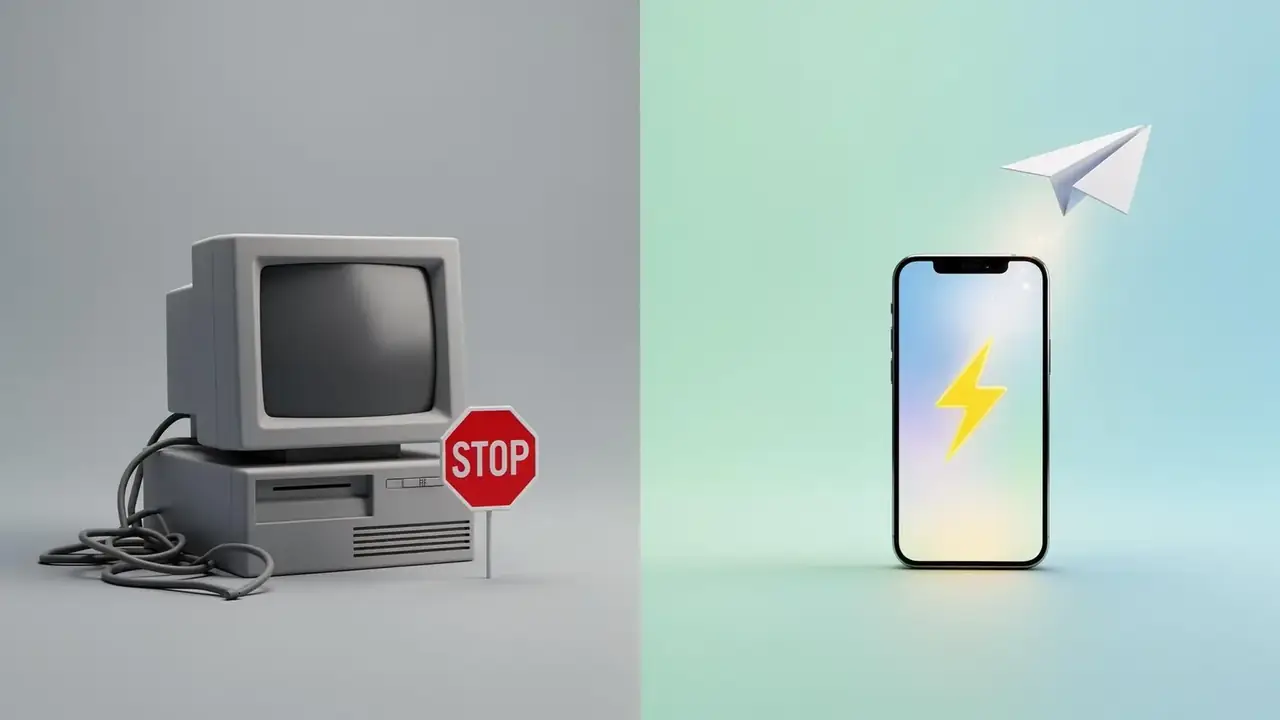
If you own a small business and your website is not generating leads, the answer is almost never 'more SEO'. The answer is usually that your website is the wrong tool for the job. It is too slow, too heavy, asks for too much, and was built for the way people browsed the web ten years ago — sitting at a desk, with patience, on a fast connection. None of that describes the human holding a phone and tapping your Instagram link in 2026.
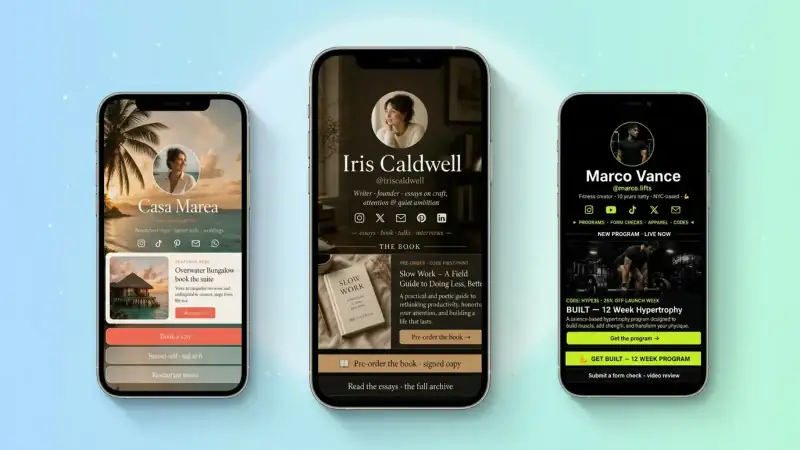
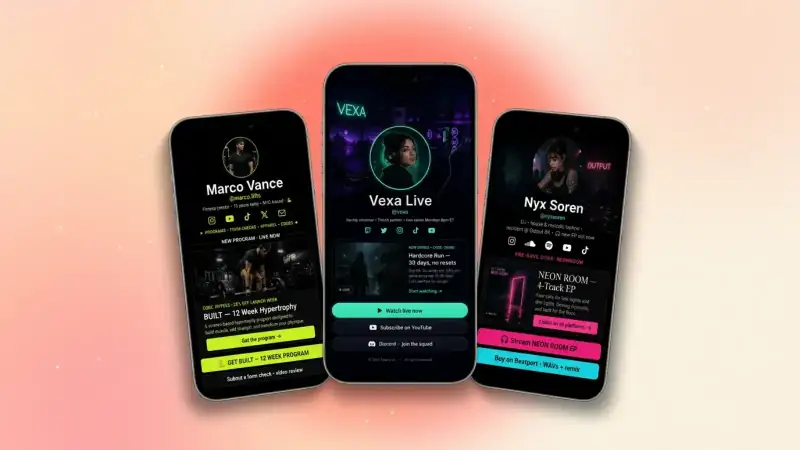
The most successful small businesses we see are quietly replacing their bloated 12-page websites with something dramatically simpler: a fast, beautiful TinyBio link page that loads instantly, leads with the offer, and captures the lead in two taps. It is not a step backward — it is the modern version of the brochure site, redesigned for the way people actually decide to call you, book you, or buy from you today.
70% of your traffic is mobile. 90% of small business websites are designed for desktop. That is the entire problem in two numbers.
1. Most websites are too slow to convert
Speed is the silent lead killer. The average WordPress site takes 4–8 seconds to load on mobile. Google's own data shows that as load time goes from 1 second to 3 seconds, the chance a visitor leaves jumps 32%. By 5 seconds, you have lost 90%. If your site is slow, it does not matter how good your copy is — most visitors never read it.
TinyBio pages load in under 1 second on cellular because there is nothing to load — no theme bloat, no plugins, no autoplay videos, no chat widgets, no marketing scripts you forgot were even installed.
2. Most websites bury the lead
Visitors do not want to navigate your menu. They do not want to read your About page. They want one thing — to call you, book you, get a quote, or check your hours. Most websites bury that one thing under three clicks of polished copy. A bio link page leads with it.
- Top button: 'Call us now' — one tap, dials the phone
- Second: 'Book online' — straight to your calendar
- Third: 'Get a free quote' — opens a short form
- Then everything else: hours, address, gallery, reviews
Your website asks the visitor to figure things out. Your bio link tells the visitor what to do next.
3. Most websites are designed for the wrong device
The website you paid $5,000 for in 2018 looks beautiful on the designer's 27-inch monitor. It looks cramped, slow, and clunky on the iPhone where 70% of your customers actually find you. Buttons are too small. Forms are too long. Images are sized for desktop and crawl on cellular. A bio link page is mobile-first by default — because that is where the visitor lives.
4. Most websites cannot capture the lead at all
The contact form is broken, the chat widget logged out three months ago, and the 'Subscribe to our newsletter' field has not been checked in a year. Every visit that does not turn into an email or a call is gone forever. TinyBio bakes capture into the page itself — a built-in email signup block, a contact form that emails you, a tip jar, a booking link. Every visit has a chance to become a real lead you actually own.
Capturing 5% of visitors as emails — instead of 0% — turns a small audience into a real funnel within a single quarter.
5. Most websites are impossible to update
You launched a new service. The plumber raised his rate. The hours changed for the holiday weekend. With a real website, those changes are a Wednesday afternoon, a logged-in WordPress dashboard, and a prayer that the theme update did not break the homepage. With TinyBio, you tap, edit, save. Live in 5 seconds.
What about SEO?
This is the most common pushback — 'but I need a website for SEO'. In 2026, for most local and small businesses, the truth is the opposite. Most of your real traffic comes from social, Google Business Profile, referrals, and direct word of mouth. A clean, fast TinyBio with proper meta tags ranks for your name, your handle, and your specific offers — which is what people actually search for. And it loads fast on mobile, which Google rewards.
If you have a true content strategy — blog posts, long-form guides, e-commerce — by all means keep the full website. But pair it with a TinyBio. Use the website for content. Use TinyBio for conversion.
Who should consider replacing the website entirely
- Service businesses (plumbers, salons, dentists, trainers, coaches)
- Local restaurants and cafes
- Solopreneurs, freelancers, consultants
- Creators, influencers, podcasters
- Pop-ups, food trucks, event businesses
- Anyone whose customers find them on Instagram, TikTok, or Google Maps
The honest test
Pull out your phone. Open your website on cellular data, not wifi. Time how long it takes to load. Try to call your business in one tap. Try to book or get a quote without scrolling. If any of that is painful, your website is not the asset you think it is — it is a leak.
Build a beautiful TinyBio in 2 minutes. Lead with one CTA, load in under a second, capture every lead. Free, no credit card, no plugins to update.
Build a bio link page that converts
Free, beautiful, fast. Drag, drop, share — your audience does the rest.
Create your TinyBio